PG DEPARTMENT OF MICROBIOLOGY
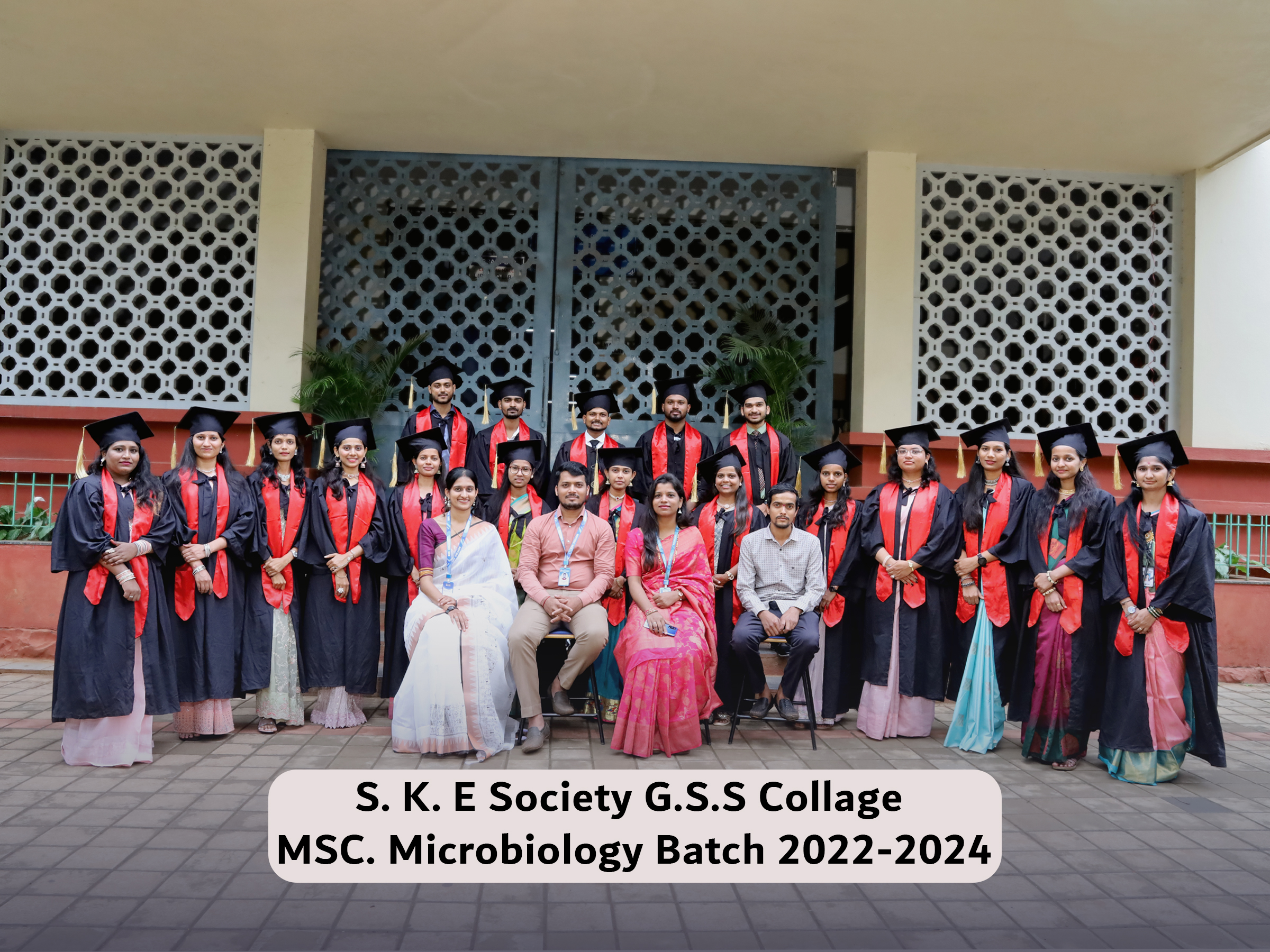
The Post Graduate Department of Microbiology is established in the year 2022 in the beautiful campus of Govindarama Seksaria Science College, Belagavi (G.S.Sc.). G.S.Sc. is one of the leading Colleges catering the education to the Northern Karnataka Region.
Microbiology overlaps the various other degree areas of biology like as molecular biology, genetics & immunology. Students can explore career scope in the field of Microbiology owing to its relevance in Pharmacy, Medicine, clinical research, agriculture, dairy industry, environment, fermentation & nanotechnology.
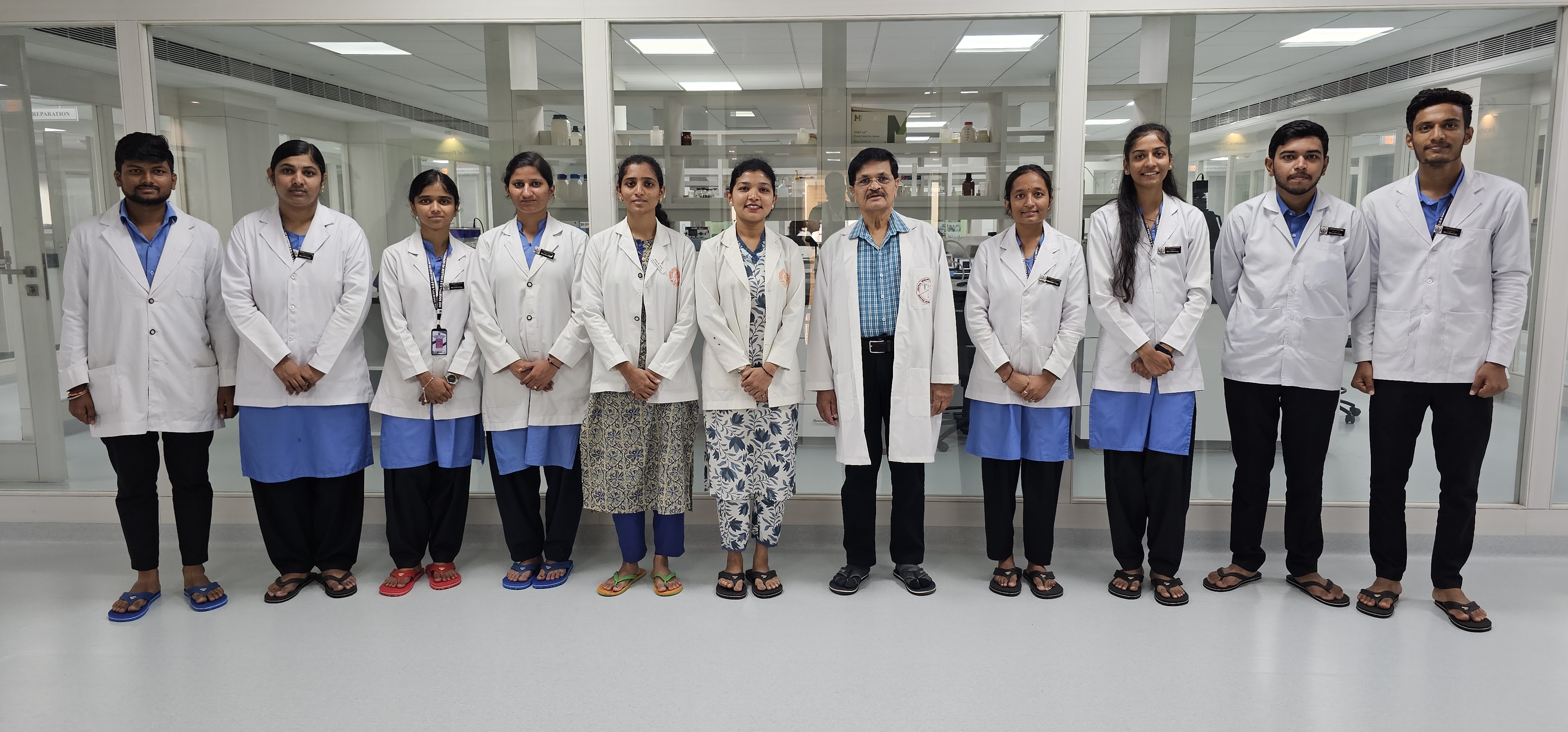
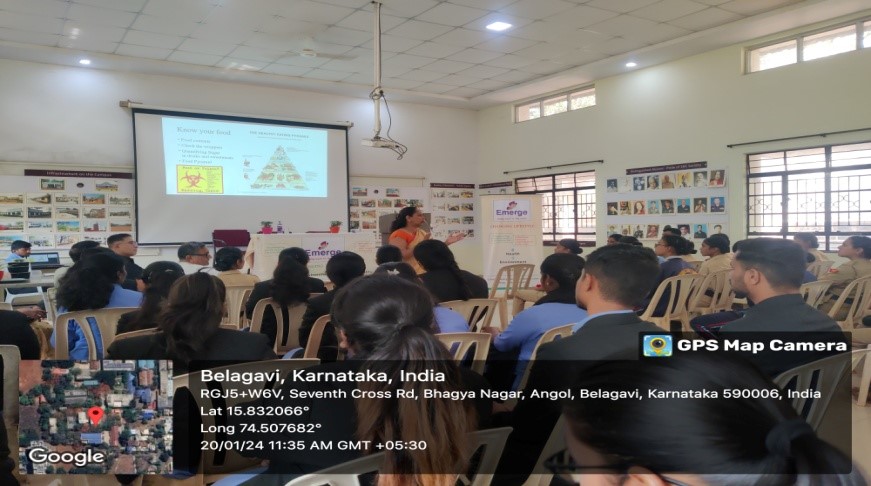
The department features a brand-new structure, a large furnished laboratory and a lecture rooms. The department boasts excellent teaching and research facilities. The course material is structured to cover every element of microbiology and provide students with a practical approach to microbiological techniques. The department will hosts unique lecture series and seminars each year with scientists in order to motivate students.
Vision
- To develop skilled microbiologists with human resource capabilities for the newest technologies.
- Offer a challenging educational curriculum to develop self-assured and productive contributors for the development of the country
MISSION
- To establish need- and value-based education, as well as to contribute to the society’s sustainable growth.
- In order to raise awareness about the potential of microbiology to meet the problems of the upcoming era and its consequences on socio-ethical issues and human welfare, our mission is to develop devoted microbiologists with a progressive approach toward research and academia.
Course Objectives
- To introduce concepts about microbial classification, diversity, morphology, physiology and nutrition, culture methods, optimization of growth and microbial interactions with plants, animals and humans.
- To give a primary exposure on the history and development, basics of Microbiology, classification, diversity, and their ecological aspects.
- To study the diversity of fungi, algae and protozoa, provide hands-on training for identification of these microorganisms.
- To expose students to the various instrumentation techniques and methodologies necessary for research in Microbiology.
- To provide a basic knowledge on various statistical tools required for biology.
- To provide knowledge about fundamentals of microbial genetics, gene expression, genetic mapping, the link between phenotype, genotype and the use of microbes in genetic.
- To provide knowledge about the basic units of life, including their types, structures, modes of action, and and importance.
- To study the various physiological processes in microorganisms.
- To provide a comprehensive understanding on the beneficial and harmful effects of microorganisms in food, risks connected with consuming food contaminated with microorganisms, as well as their preventative methods.
- To provide knowledge on various bioinformatic tools used for analysis of biological macromolecules.
- This course focuses on the relationship between microbes and human Students will study important diseases emphasizing on etiology, pathogenesis, diagnosis, treatment, and prevention.
- To expose foundational and up-to-date understanding of immunology and immunological techniques.
- To provide a complete overview of the role of microbes in agriculture, plant-microbe interactions, plant diseases caused by pathogenic microorganisms, and also the potential of microbes as biofertilizers and biopesticides for ecofriendly crop improvement.
- This curriculum focuses on methodologies for strain improvement of industrially important microorganisms, bioreactor design, techniques involved in upstream and downstream fermentation process.
- To create knowledge and awareness on the types of commercial products obtained from potential microbes. Also on conventional and modern production strategies.
- To provide hands-on training in different fundamental microbiological.
- To provide practical information on estimation of biological macromolecule, enzymatic activity, detection of food-borne.
- To provide hands-on training on medical and immunological techniques.
- Comprehensive understanding of different types of recombinant technology and bioinformatic tools.
- To provide hands-on training on role of microbes for crop improvement, and production of different industrial products from microorganisms.
Learning outcomes
- Students can gain fundamental knowledge on major microorganisms, understand the structural, biochemical, genetic similarities and differences, and association between hosts and environment.
- Students will have a comprehensive understanding of the basic features of microorganisms. This information will aid students in understanding the history, biology, and distribution of microorganisms.
- Students will acquire comprehensive knowledge on the techniques required for research. This course includes an introduction to microscopy, spectroscopy, chromatography, radioactivity, centrifugation and electrophoretic techniques.
- Students will get basic knowledge on statistical analysis of biological data. In this paper, students will study data processing and validation methodologies for scientific publications.
- Students will obtain a clear understanding of microbial genes, their structures, functions and their vital importance. Students also obtain knowledge on molecular basis of mutation, gene regulation and expression.
- Students would acquire an in-depth understanding of genetic materials, their precise actions, and their crucial role in biological This paper expands our understanding on the structure and functions of genetic material, genome organization, transcription, and translation in prokaryotic and eukaryotic microorganisms.
- Students how microorganisms metabolize various organic and inorganic nutrients and their response to environmental changes.
- Students should be able to understand the Computer Network and Programming Languages, different types of biological database, protein structure and molecular interactions.
- Students will have a clear understanding of microbial diseases, host pathogen interactions, and the issues associated with drug-resistant Students also comprehend the significance of normal flora associated with human health.
- The student will acquire fundamental and advanced knowledge on the immune system, diseases, and contemporary technologies.
- Students will be able to develop novel strategies for controlling plant diseases, as well as a better understanding of pathogen interactions and plant defense systems. Students are also familiar with the application of microbial biocontrol agents and their ability to prevent drug resistance and environmental contamination.
- Students will acquire knowledge on industrially important microorganisms and strain improvement techniques, basic characteristics and design of various types of bioreactors, techniques used for purification of industrial products, and IPR rules and regulations.
- Students will have an in-depth understanding of how efficiently microorganisms can be utilized for commercial and pharmaceutically important for production of various products.